
Grease trap regulations in Dubai
What a food outlet has to do about grease, and why the drain depends on it.
Quick answer
Are grease traps required for restaurants in Dubai?
Yes. Food premises in Dubai that discharge fats, oils and grease are required to fit and maintain a grease interceptor, so that grease is captured before it enters the public sewer. The trap must be serviced regularly, and records of that servicing are what an inspection checks. Requirements are set by the relevant municipal authority.
Why the rule exists
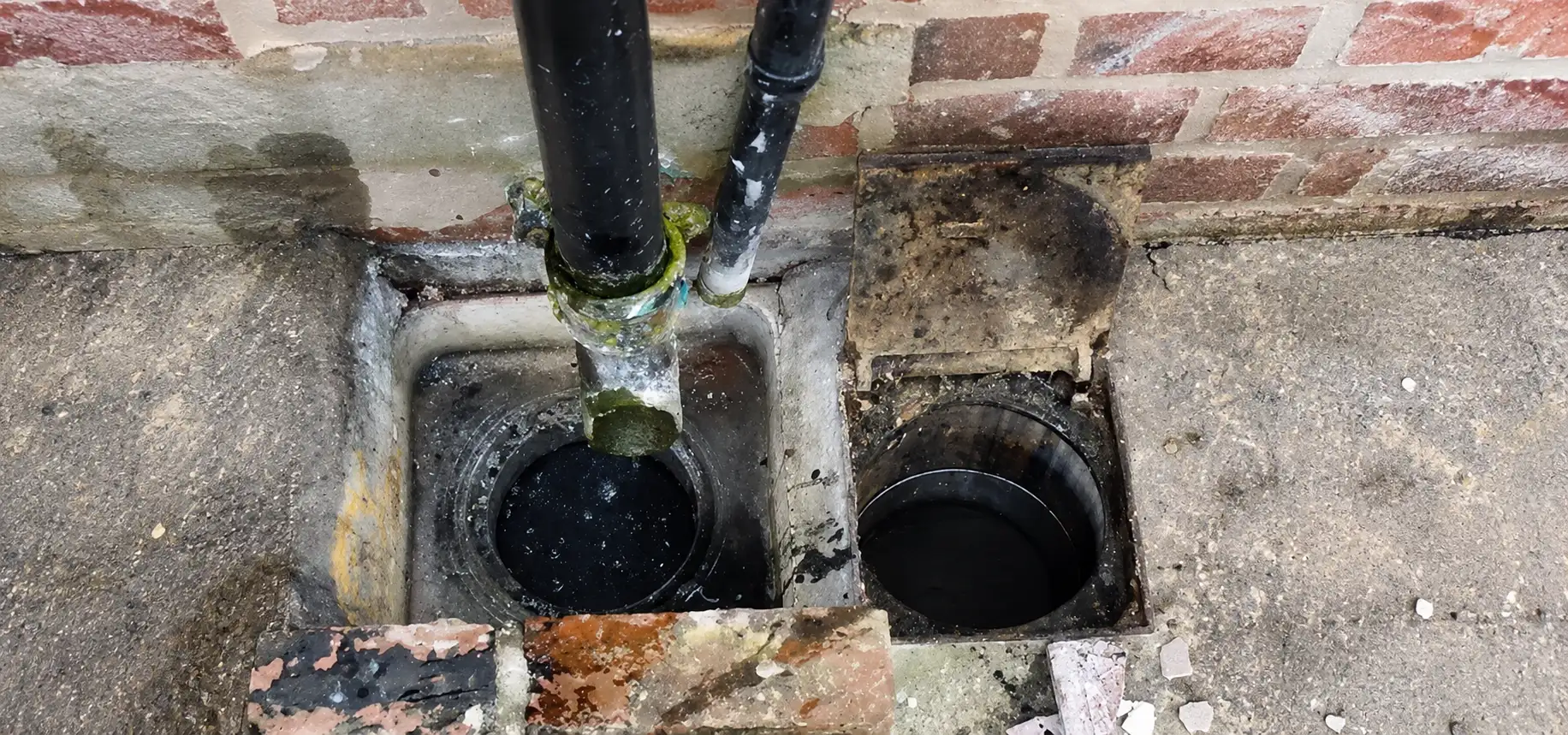
Grease is the single biggest cause of sewer blockage in any city with a dense food-service sector, and Dubai has one of the densest. Fat, oil and grease leave a kitchen warm and liquid, then cool and solidify in the drainage network, building on the pipe wall until a shared sewer blocks. When it blocks, it does not block politely at one restaurant. It backs up across everything upstream of the blockage.
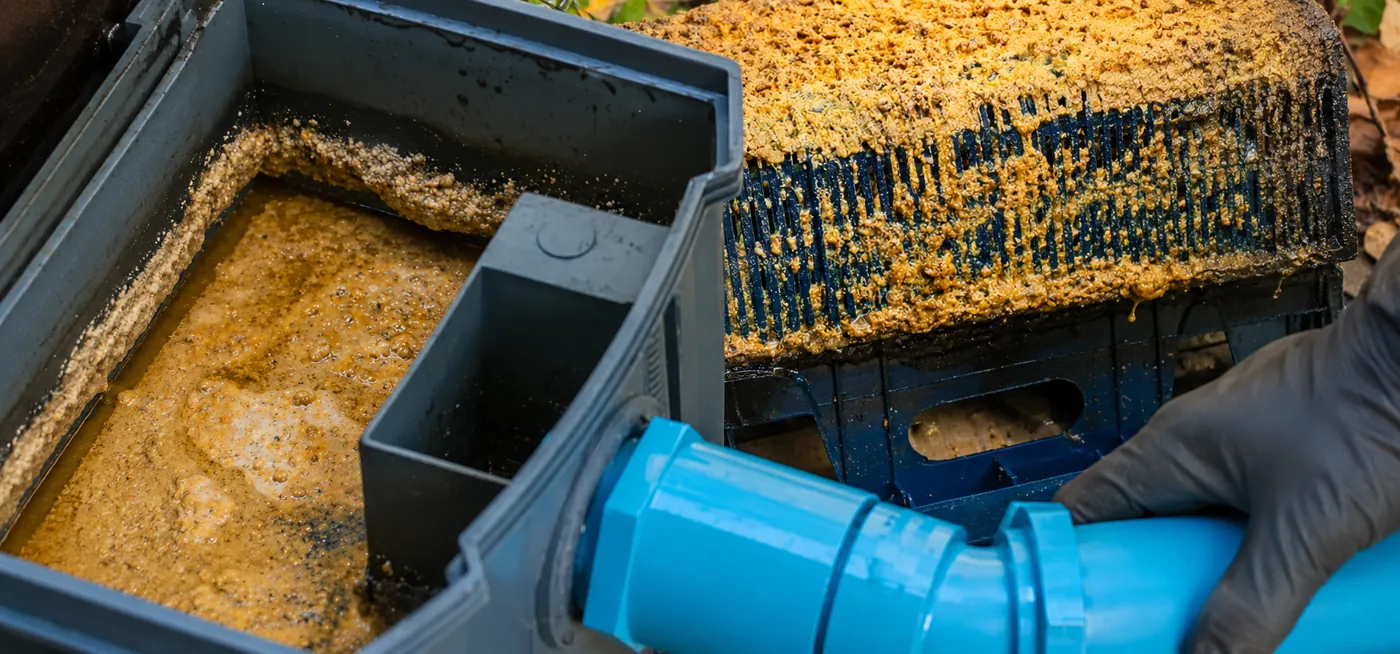
A grease interceptor, the technical name for a grease trap, sits between the kitchen and the sewer and holds back the grease so it can be removed before it hardens in a pipe nobody can reach. The regulation exists because a single non-compliant kitchen can foul a line serving a whole street, and the cost of that lands on everyone.
What the regulations require, in practice
The detail is set by the responsible municipal authority and by the trade licence conditions attached to a food premises, and it is revised from time to time, so the current text of the requirement should always be confirmed with the authority rather than taken from a third party. In broad terms, and consistently across the versions we work to, a compliant food premises is expected to:
- Fit a grease interceptor of adequate size for the kitchen's output, correctly installed on the waste line before it joins the sewer.
- Have the trap serviced and emptied on a regular schedule, frequently enough that it never overflows its capacity to hold grease.
- Keep records of each service, showing the date, the volume removed and the contractor, because the records are what an inspection examines.
- Use a licensed waste contractor to remove and dispose of the collected grease, since grease waste has controlled disposal requirements of its own.
We do not reproduce specific interval figures or capacity formulae here, because they change and because getting them wrong in print helps nobody. When we service a premises we work to the current requirement for that premises, confirmed against the authority's own guidance. If you need the exact current text, the responsible authority publishes it and we will point you to the relevant document for your licence type.
How often a trap actually needs servicing
The regulatory minimum and the practical interval are not always the same number, and the practical one is usually more frequent. A trap's job is to hold grease. Once it is full of grease, it stops holding new grease and simply passes it to the sewer, which is the exact failure the trap exists to prevent. So the real interval is set by how fast your kitchen fills the trap, not by a date on a template.
A high-volume kitchen with heavy frying fills a trap far faster than a sandwich counter. The way to find the right interval is to service on a conservative schedule at first, record how full the trap is each time, and adjust. That is the same evidence-led approach we take to sewer cleaning and to any commercial drain maintenance schedule: the first few services tell you what the premises actually needs.
What an inspection looks for
- That a correctly sized interceptor is fitted and plumbed on the right line.
- That it is not overflowing its grease capacity, which is visible on opening it.
- That service records exist, are current, and show a sensible interval for the kitchen.
- That grease waste is going to a licensed disposal route, evidenced by the records.
The records are the part premises most often fall down on. The trap can be serviced perfectly and the premises can still fail because nobody kept the paperwork. When we service a trap you receive a record built to be shown to an inspector, which is half the point of using a contractor rather than a hose and a bucket.
Frequently asked questions
How often must a grease trap be cleaned in Dubai?
The regulated minimum is set by the municipal authority and the premises licence, but the practical interval is whatever stops the trap filling to capacity, which is usually more frequent than the minimum. A heavy-frying kitchen fills a trap far faster than a light one. The reliable method is to service conservatively at first, record how full the trap is each time, and set the interval from the evidence.
What happens if a restaurant does not maintain its grease trap?
A neglected trap fills with grease and then passes grease straight to the sewer, which is the failure it exists to prevent. That causes blockages in the shared network, which back up across everything upstream. For the premises it means a failed inspection, possible penalties under the licence conditions, and the cost of the sewer blockage. The paperwork matters too: a serviced trap with no records can still fail an inspection.
Who is responsible for grease trap compliance?
The food premises operator. The requirement attaches to the trade licence, so it is the operator's responsibility to fit an adequate interceptor, keep it serviced, use a licensed disposal contractor, and retain the records. Using a contractor to service the trap does not transfer the responsibility, but it does produce the evidence an inspection needs.
Where can I find the exact grease trap regulations?
The responsible municipal authority publishes the current requirements, and the specific conditions also appear in the trade licence for the premises. Because the detail is revised periodically, the current text should be confirmed with the authority rather than taken from a third party. Tell us your licence type and premises and we will point you to the relevant document.
Is grease trap regulations available near me?
Near me is a fair thing to search for, and here is how it works with us. We provide grease trap regulations across Dubai, working from our base in Al Quoz Industrial Third, so a near me search is answered less by a branch on your street and more by how quickly we can reach you. That depends on where you are in the city, the time of day and access, so rather than claim to be the nearest, we ask where you are and give you a realistic time to attend. Tell us your location and what you need, and we will be straight about when we can be there.
Related pages
Contact
Ask about grease trap servicing
A trap that needs emptying, a schedule to set up, or an inspection coming. Tell us the premises and the kitchen load.
Phone
+971 56 864 8994
Email
info@jetdrainpro.com
Need your grease trap serviced or your records in order?
Tell us the premises and what you have. We will tell you what a compliant service schedule looks like for your kitchen.