
Sewer cleaning in Dubai
The larger lines, the shared chambers, and the traps that decide whether everything above them drains.
Quick answer
What is sewer cleaning?
Sewer cleaning removes grease, scale, sand, silt and sludge from the larger drainage lines, chambers, traps and interceptors that carry a building's combined waste. In Dubai it is done by high-pressure jetting and vacuum extraction, and on a shared or commercial system it is usually scheduled rather than reactive.
Where sewer cleaning differs from clearing a drain
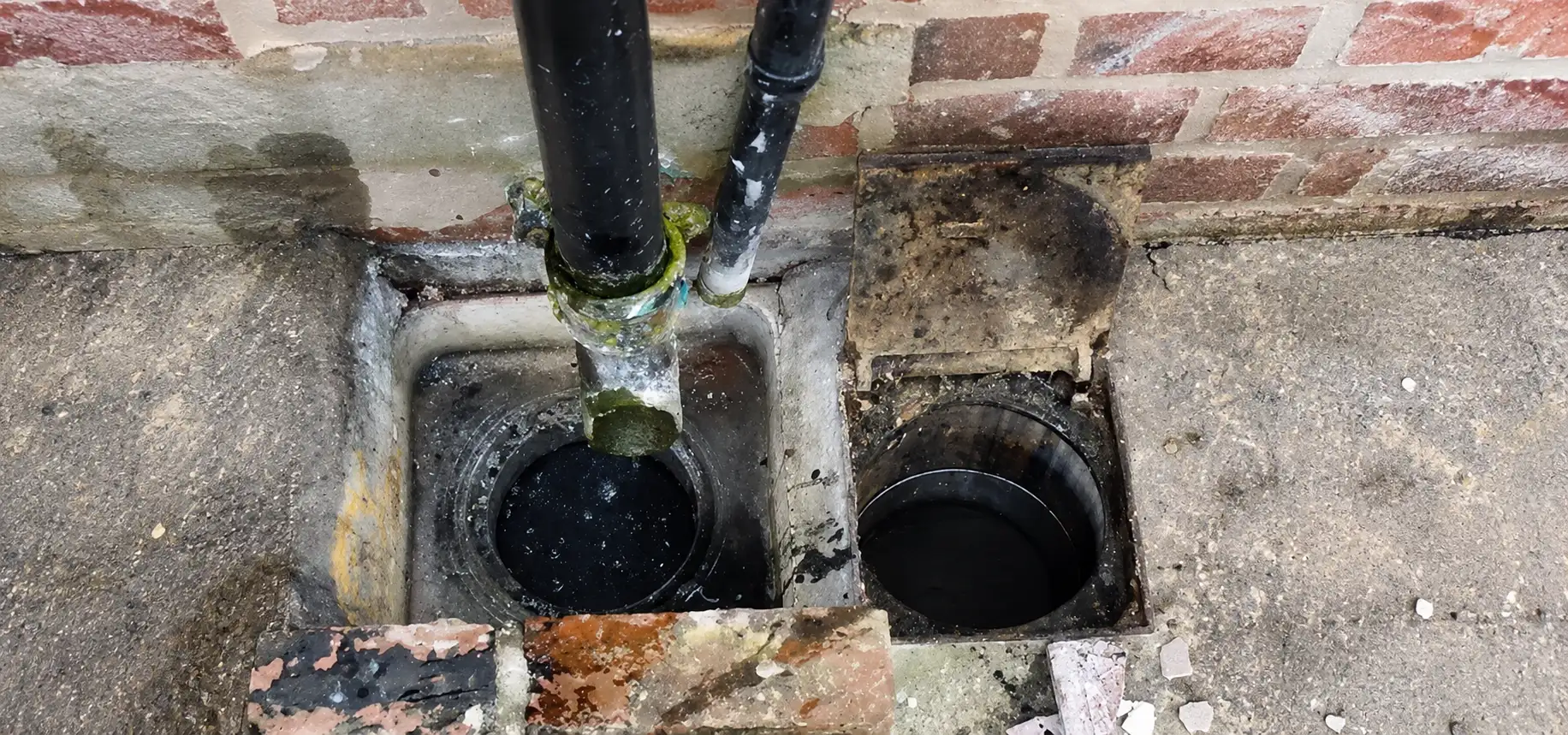
Clearing a blocked sink is a local job. Sewer cleaning deals with the shared infrastructure below it: the main lines that combine the waste from many fixtures, the inspection chambers where those lines meet, the gully traps that seal the system against smell, and the interceptors that hold back grease and silt. When these foul, the symptom is not one slow fixture. It is several at once, or a chamber that surfaces, or a smell that no amount of cleaning inside the building resolves.
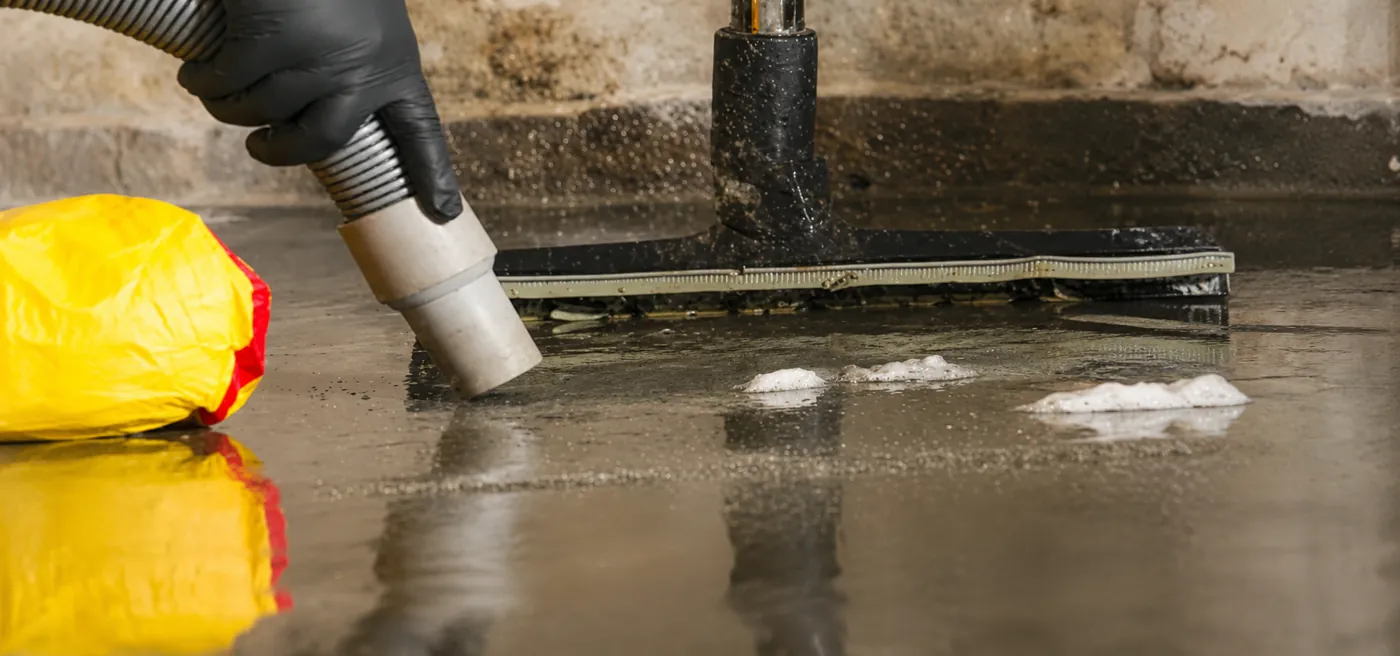
Because these lines are larger and carry more, the method is different too. A drum machine that clears a basin waste does little in a 150 mm main. Sewer cleaning is jetting for the lines and vacuum extraction for the chambers and traps, and on most systems it needs both: there is no point jetting a line into a chamber that is already full of silt.
Reactive today, scheduled from now on
A sewer that has fouled enough to surface or smell has usually been fouling for a long time unnoticed, because shared lines are out of sight and nobody inspects them until something forces the issue. We clean it, and then we survey it, because the survey tells us two things: whether there is a structural fault behind the fouling, and what interval this particular system needs.
That interval is the point. A restaurant with heavy grease loading and a hotel with hundreds of rooms both need scheduled sewer cleaning, but not the same schedule, and neither should be on the generic interval a contract template prints. The right schedule comes from what the first clean and survey find, which is what a maintenance contract should be built around. For food premises there are also requirements around grease traps that set part of the schedule for you.
What drives the cost of sewer cleaning
- The size and length of the lines, and the number of chambers, traps and interceptors.
- How heavily fouled the system is, which on a first clean of a neglected system can be considerable.
- Whether jetting alone is enough, or vacuum extraction and tankering of recovered material are also needed.
- Access to the chambers and the working room around them.
- Whether the work is a one-off clean or part of a schedule, since a maintained system is quicker to clean each time than one left until it surfaces.
Frequently asked questions
How often should a commercial sewer be cleaned?
The interval should come from what the first clean and survey find, not from a template. A restaurant with heavy grease loading needs cleaning far more often than a low-occupancy office, and the length and fall of the lines matter as much as the building's use. A common starting point for a busy food premises is quarterly, then adjusted once there are two surveys to compare. For grease traps specifically, requirements set part of the schedule.
What is the difference between drain cleaning and sewer cleaning?
Drain cleaning usually refers to the smaller lines serving individual fixtures, cleared with cables or light jetting. Sewer cleaning deals with the larger shared infrastructure: main lines, inspection chambers, gully traps and interceptors, cleaned with high-pressure jetting and vacuum extraction. The larger lines carry more and foul differently, so they need heavier equipment and, usually, a schedule rather than a callout.
My whole building's drains are slow at once. What does that mean?
Several fixtures slowing together points to the shared line below them rather than any one fixture. The blockage or fouling is in a main line or a chamber that all of them drain into, which is a sewer cleaning job, not a matter of clearing individual traps. It is also worth surveying afterwards, because a shared line that fouls to this point sometimes has a structural fault behind it.
Do you remove the waste you extract?
Yes. Material recovered by vacuum extraction from chambers, traps and interceptors is contained and removed rather than discharged back into the system, which would simply move the problem downstream. Where the volume or type of waste requires it, it is tankered away for proper disposal, and this is accounted for in the work rather than left as a surprise.
Is sewer cleaning available near me?
Near me is a fair thing to search for, and here is how it works with us. We provide sewer cleaning across Dubai, working from our base in Al Quoz Industrial Third, so a near me search is answered less by a branch on your street and more by how quickly we can reach you. That depends on where you are in the city, the time of day and access, so rather than claim to be the nearest, we ask where you are and give you a realistic time to attend. Tell us your location and what you need, and we will be straight about when we can be there.
Related pages
Contact
Tell us about the system
A slow shared drain, a chamber that surfaces, a smell across a building, or a scheduled clean coming due. Tell us the building.
Phone
+971 56 864 8994
Email
info@jetdrainpro.com
Book sewer cleaning
Tell us the building and the system. A shared line and a single villa are different jobs with different schedules.